
Getting Dental Veneers in Seoul as a Tourist
Seoul has become one of the most popular destinations for dental veneers among international visitors, combining advanced cosmetic dentistry with reasonable pricing and efficient treatment timelines. Many tourists successfully complete veneer treatment during short stays—but it requires realistic planning and the right expectations.
This guide explains how veneer treatment works for tourists in Seoul, from arrival to final bonding.
Is It Realistic to Get Veneers in Seoul as a Tourist?
Yes—many tourists do. Seoul clinics are experienced with short-term international patients and often structure veneer treatment to fit within 5–10 days, depending on the type of veneers.
However, veneers are not a same-day cosmetic service for most cases, so planning your stay properly is essential.
Typical Timeline for Tourists
Most veneer cases follow this general schedule:
Day 1–2: Consultation & Planning
- Oral exam and X-rays
- Digital scans and smile analysis
- Shade and shape discussion
- Treatment plan confirmation
Day 2–3: Tooth Preparation
- Minimal or traditional enamel preparation
- Temporary veneers placed (if needed)
Day 4–7: Lab Fabrication
- Custom ceramic veneers made
- Adjustments planned if needed
Day 6–10: Final Bonding
- Try-in and shade confirmation
- Final bonding and bite adjustment
Some advanced clinics with in-house CAD/CAM systems may shorten this, but plan at least one week to be safe.
What Types of Veneers Are Common for Tourists?
Seoul clinics usually recommend:
- Porcelain / ceramic veneers for long-term results
- Minimal-prep or ultra-thin veneers for conservative cases
Composite veneers can sometimes be done faster, but they are generally not preferred for tourists seeking premium, long-lasting results.
Cost of Veneers in Seoul for Tourists
Veneer pricing is typically per tooth, regardless of nationality.
Approximate ranges:
- Composite veneers: ₩300,000 – ₩800,000 per tooth
- Porcelain / ceramic veneers: ₩1,000,000 – ₩2,300,000+ per tooth
Most smile makeovers involve 6–8 upper veneers, which offers a good balance between aesthetics and cost.
Tourists usually pay out of pocket. Cosmetic veneers are not covered by Korean health insurance.
Language & Communication
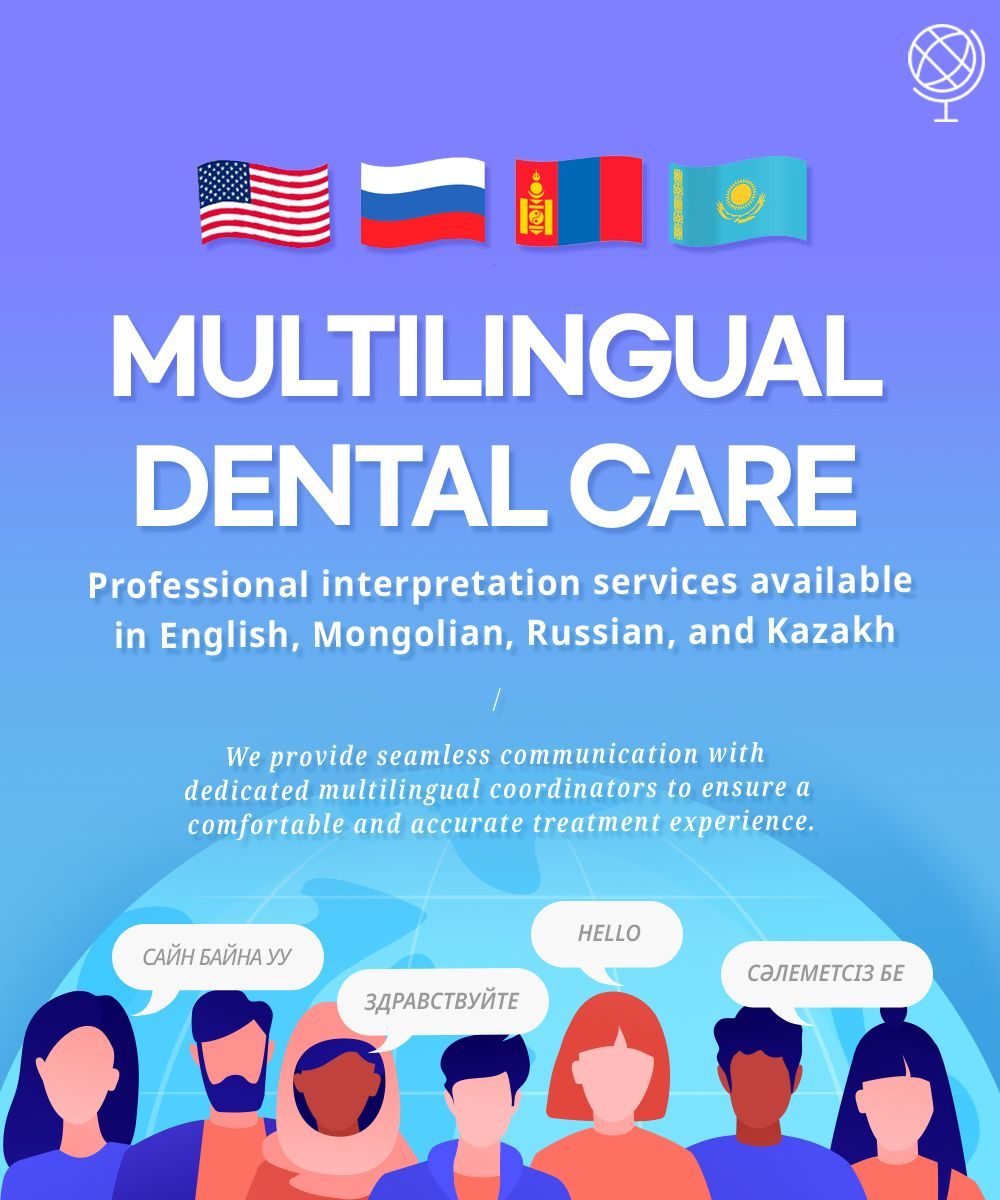
Many Seoul dental clinics that work with tourists offer:
- English-speaking dentists or coordinators
- English consent forms and treatment explanations
- Communication via email, WhatsApp, or LINE
Still, it’s best to confirm language support in advance, especially for detailed cosmetic discussions.
Booking Before You Arrive (Strongly Recommended)
Tourists should always:
- Contact clinics before traveling
- Share photos of teeth and smile
- Ask about estimated timeline and visits
- Confirm availability during your travel dates
Walk-ins are common for basic dental care in Korea, but veneers require advance planning.
Visas & Length of Stay
Most tourists from visa-waiver countries can stay:
- Up to 90 days, which is more than enough for veneer treatment
No medical visa is required for standard cosmetic dental procedures.
Aftercare & Follow-Up as a Tourist
Before leaving Korea, clinics usually:
- Perform final bite and comfort checks
- Provide aftercare instructions in English
- Advise on sensitivity and diet
For long-term follow-up:
- Minor issues can often be discussed remotely
- Major repairs or replacements usually require an in-person visit
This is why Korean dentists emphasize conservative preparation and careful try-ins to minimize post-travel issues.
Risks Tourists Should Be Aware Of
While outcomes are generally excellent, tourists should consider:
- Limited access to immediate follow-up after returning home
- Difficulty adjusting shade or shape later
- Replacement costs if expectations change
To reduce risk:
- Do not rush final bonding
- View veneers in natural light
- Speak up during the try-in stage
Tips for a Smooth Veneer Experience in Seoul
- Stay near the clinic to reduce travel stress
- Allow buffer days in case adjustments are needed
- Avoid booking flights immediately after final bonding
- Choose natural shades over extreme whiteness
- Prioritize clinics that emphasize minimal-prep planning
Why Tourists Choose Seoul for Veneers
International patients often choose Seoul because of:
- Strong focus on natural aesthetics
- Conservative enamel preservation
- Advanced digital dentistry
- Competitive pricing compared to the US and Europe
- Efficient scheduling for short stays
Final Thoughts
Getting dental veneers in Seoul as a tourist is very feasible—and increasingly common—but it’s not something to rush. Veneers are a long-term cosmetic commitment, and success depends on planning, communication, and realistic timelines.
If you allow enough time, choose a clinic experienced with international patients, and take the try-in stage seriously, Seoul can be an excellent place to achieve a natural, high-quality veneer result while visiting Korea.
You might also like