
Veneer Pricing Per Tooth: What International Patients Should Know
🦷
Veneer Pricing Per Tooth: What International Patients Should Know (2026 Guide)
If you’re considering enhancing your smile with dental veneers abroad, one important question comes first:
How much does a veneer cost per tooth — and what should international patients really expect?
The simple truth is — veneer pricing per tooth varies depending on material type, clinic technology, dentist experience, country, and how many teeth are treated. Below is a clear, practical guide to help international patients understand real costs and make confident treatment decisions.
💰
Average Veneer Price Per Tooth (International Comparison)
In the
United States, porcelain veneers typically range from
$1,300–$2,900 per tooth, while composite veneers average
$300–$1,300 per tooth.
In the United Kingdom, porcelain veneers usually cost between $950–$2,300 per tooth, and composite veneers range from approximately $350–$950 per tooth.
In Australia, porcelain veneers commonly range from $1,050–$2,600 per tooth, with composite veneers averaging $400–$1,100 per tooth.
In South Korea, porcelain veneers generally range from $380–$950 per tooth, while composite veneers typically cost $160–$420 per tooth — offering savings of approximately 40–70% compared to many Western countries.
In Thailand, porcelain veneers usually range from $320–$750 per tooth, and composite veneers cost approximately $130–$380 per tooth.
🧩
What Influences Veneer Cost Per Tooth?
Several factors directly affect how much international patients pay.
Veneer Material
Porcelain veneers have a higher upfront cost but provide superior strength, stain resistance, and natural translucency, often lasting
10–15 years or longer.
Composite veneers are more budget-friendly but typically last
3–7 years and may require more frequent maintenance or refinishing.
Dental Technology and Lab Quality
Clinics using
digital smile design, intraoral scanners, CAD/CAM milling, and premium ceramic materials often deliver better fit accuracy and aesthetics, which can slightly increase per-tooth pricing.
Dentist Skill and Experience
Highly experienced cosmetic dentists with extensive veneer portfolios may charge higher fees due to
predictable outcomes, customized design expertise, and refined finishing techniques.
Number of Veneers Treated
While per-tooth pricing stays consistent, total treatment cost increases as more teeth are treated. Many international smile makeovers involve
8–20 veneers depending on facial proportions and smile width.
Clinic Location and Demand
Clinics located in major metropolitan or medical tourism hubs typically have higher operating costs than suburban clinics, which can reflect in pricing.
🌍 Why International Patients Compare Veneer Prices
in Korea
South Korea continues to attract international patients for cosmetic dentistry due to its
balance of affordability, advanced technology, and high clinical standards.
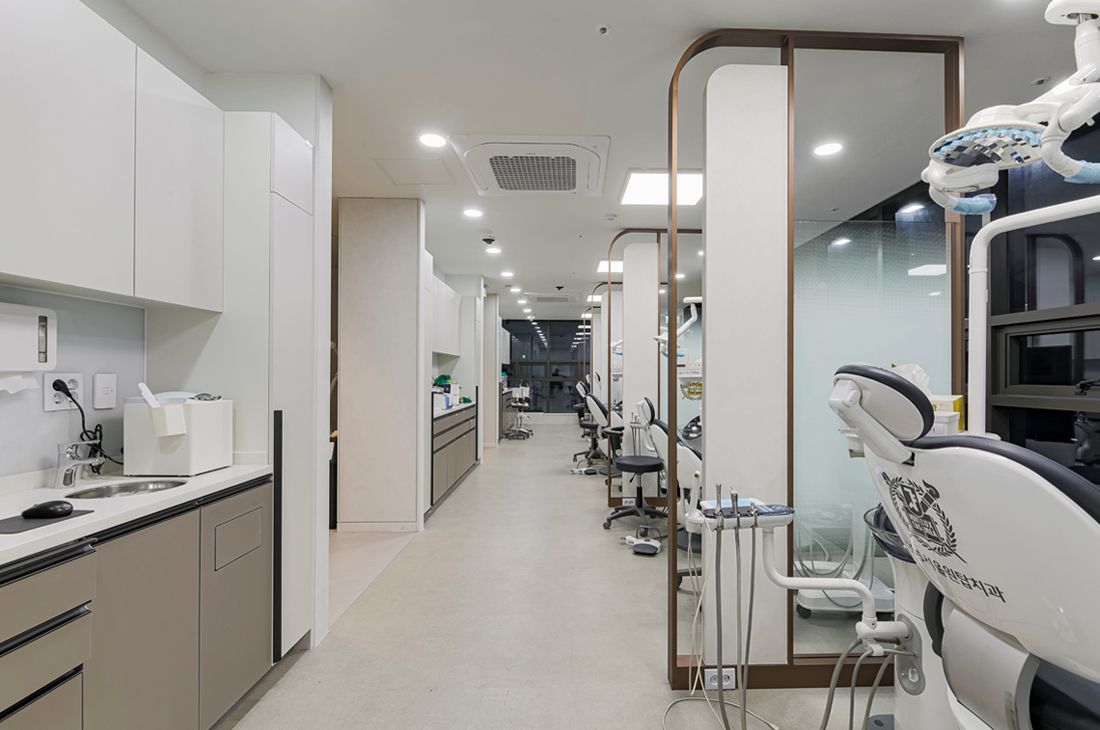
Patients benefit from modern digital equipment, internationally trained dentists, transparent pricing systems, multilingual coordinators, and efficient treatment schedules. Many veneer cases are completed within 3–5 days, making Korea ideal for short medical travel.
In-house dental laboratories allow faster customization, tighter quality control, and quicker delivery of both temporary and final veneers.
🏷️
Example: Per-Tooth Pricing for a Smile Makeover
If an international patient receives
12 porcelain veneers in Korea at an average price of $520 per tooth, the estimated total cost would be approximately
$6,240.
The same treatment in the United States may range from $18,000–$32,000, depending on clinic reputation and material selection. Even after travel expenses, many patients still experience substantial overall savings.
⚠️
Should Patients Choose the Lowest Price?
Extremely low veneer pricing may signal compromised materials, limited customization, insufficient digital planning, inexperienced technicians, or minimal post-treatment care.
Rather than focusing only on cost, international patients should evaluate dentist credentials, veneer material brands, warranty coverage, digital workflow, before-and-after cases, and verified patient feedback.
🪥
How Long Do Veneers Typically Last?
Porcelain veneers: commonly last
10–15 years or longer with proper oral care and routine dental checkups.
Composite veneers: usually last
3–7 years and may require periodic polishing or replacement.
Avoiding excessive grinding, nail biting, and hard foods helps extend veneer longevity.
✅
Is Veneer Treatment Abroad Worth It?
For many international patients, overseas veneer treatment offers
high-quality aesthetics, meaningful cost savings, faster treatment timelines, and access to advanced dental technology. When planned carefully with a reputable clinic, the results often exceed expectations both cosmetically and financially.
📌
Final Thoughts
Understanding
veneer pricing per tooth allows international patients to budget realistically and choose clinics based on
quality rather than price alone. Korea remains a leading destination offering
excellent value, advanced dentistry, and predictable cosmetic outcomes for patients seeking beautiful, long-lasting smiles.
You might also like